Top Mistakes That Hurt Event Ticket Sales (And How to Avoid Them)
Top Mistakes That Hurt Event Ticket Sales (And How to Avoid Them)
Vikash
26th June 2026 . 5 min
read
Selling tickets isn't just about creating an event and waiting for people to buy. Even great events can struggle if organisers make avoidable mistakes during planning, marketing, or ticket sales.
Whether you're hosting a music concert, business conference, charity fundraiser, workshop, sports event, or community gathering, understanding what hurts ticket sales can help you fill more seats and maximise revenue.
Here are the most common mistakes event organisers make—and how you can avoid them.
1. Launching Ticket Sales Too Late
Many organisers delay ticket sales until every detail is finalised. Unfortunately, this leaves less time to build excitement and attract early buyers.
How to avoid it
Launch ticket sales as early as possible.
Open with Early Bird pricing to encourage quick purchases.
Continue updating event details after tickets go live.
Early sales also give you valuable insight into demand and help improve marketing decisions.
2. Using Confusing Ticket Pricing
Complicated pricing can make buyers hesitate.
Examples include:
Too many ticket categories
Unclear differences between ticket types
Hidden booking fees
Unexpected costs during checkout
How to avoid it
Keep pricing simple and transparent.
For example:
Early Bird
General Admission
VIP
Clearly explain what each ticket includes so customers can make quick decisions.
3. Not Promoting the Event Enough
One social media post isn't enough.
Many organisers assume people will discover the event naturally, but successful events require consistent promotion.
How to avoid it
Create a marketing plan that includes:
Social media content
Email campaigns
Influencer collaborations
Local community groups
Paid advertising
Partner promotions
Promote your event consistently from launch until the event day.
4. Ignoring Mobile Users
A large percentage of ticket purchases now happen on mobile devices.
If your event page or checkout isn't mobile-friendly, potential buyers may abandon their purchase.
How to avoid it
Choose a ticketing platform that offers:
Mobile-responsive event pages
Fast checkout
Secure payment options
Digital tickets
A smooth mobile experience increases conversions.
5. Writing a Weak Event Description
A short description like:
"Live Music Event"
doesn't give attendees enough information.
People want to know why your event is worth attending.
How to avoid it
Include:
Event highlights
Guest speakers or performers
Schedule
Venue information
What's included
Parking or transport details
FAQs
A detailed event page builds trust and answers common questions before they're asked.
6. Using Low-Quality Images
Your event thumbnail is often the first thing potential attendees notice.
Blurry posters or outdated graphics can reduce credibility.
How to avoid it
Use:
High-resolution event banners
Professional branding
Consistent colours
Clear typography
Good visuals create a strong first impression.
7. Forgetting About Social Proof
People are more likely to buy tickets when they see others attending.
Without reviews, testimonials, or attendee photos, buyers may hesitate.
How to avoid it
Share:
Photos from previous events
Customer testimonials
Video highlights
Positive reviews
User-generated content
Social proof builds confidence and encourages ticket purchases.
8. Making Checkout Too Complicated
Every extra step increases the chance that customers leave without completing their purchase.
How to avoid it
Keep checkout simple:
Fewer form fields
Multiple payment methods
Fast loading pages
Clear pricing
Instant confirmation emails
Reducing friction helps improve conversion rates.
9. Not Creating Urgency
If buyers believe tickets will always be available, they often delay purchasing.
How to avoid it
Create urgency by using:
Early Bird deadlines
Limited ticket quantities
Countdown timers
VIP tickets with limited availability
Price increase announcements
Urgency encourages faster buying decisions.
10. Ignoring Email Marketing
Social media algorithms change frequently, but email remains one of the most reliable marketing channels.
How to avoid it
Build an email list and send:
Event announcements
Early Bird reminders
Speaker updates
Last chance emails
Event countdowns
Email keeps your audience engaged throughout the sales period.
11. Not Tracking Sales Performance
Without data, it's difficult to know what's working.
Many organisers never check where ticket sales come from.
How to avoid it
Monitor:
Ticket sales by date
Traffic sources
Marketing campaign performance
Conversion rates
Best-selling ticket types
Analytics help you improve future events and optimise your marketing budget.
12. Choosing the Wrong Ticketing Platform
Your ticketing platform plays a major role in the attendee experience.
If it lacks important features, you may lose sales and spend more time managing your event.
Look for a platform that offers:
Easy event creation
Secure online payments
Mobile-friendly checkout
Multiple ticket types
Promo codes and discounts
Real-time reporting
Automated confirmation emails
QR code ticket scanning
Reliable customer support
A feature-rich platform simplifies event management and improves the buying experience for attendees.
Bonus Tips to Increase Ticket Sales
Here are a few extra strategies that can make a big difference:
Launch Early Bird tickets.
Offer group discounts.
Create referral incentives.
Share behind-the-scenes content.
Post regular event updates.
Highlight speakers and performers.
Use countdown posts on social media.
Send reminder emails before price increases.
Encourage attendees to share the event with friends.
Small improvements across your marketing and ticketing process can lead to significantly better results.
Final Thoughts
Successful ticket sales don't happen by chance. They come from careful planning, effective marketing, transparent pricing, and a seamless purchasing experience.
By avoiding these common mistakes, you can attract more attendees, increase conversions, and create a better experience from the moment someone discovers your event until they walk through the door.
Whether you're organising your first event or managing large-scale festivals, choosing the right ticketing platform can make every stage of the process easier.
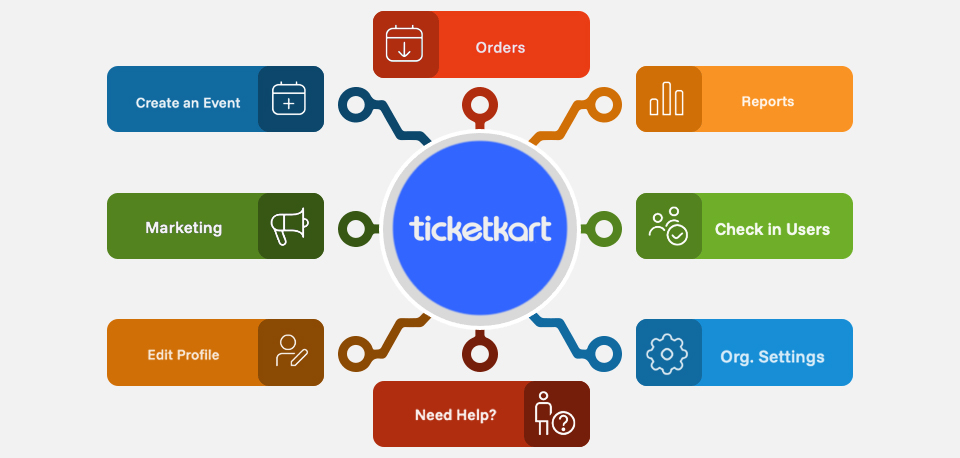
With TicketKart, you can create professional event pages, sell tickets online, manage attendees, track sales in real time, and deliver a smooth booking experience—all from one platform.
Start planning smarter, avoid these costly mistakes, and give your next event the best chance of selling out.
We use cookies to give you the best online experience. Cookies keep our site secure and reliable and help us personalize Ticketkart to you. Learn more in our Cookies Policies